
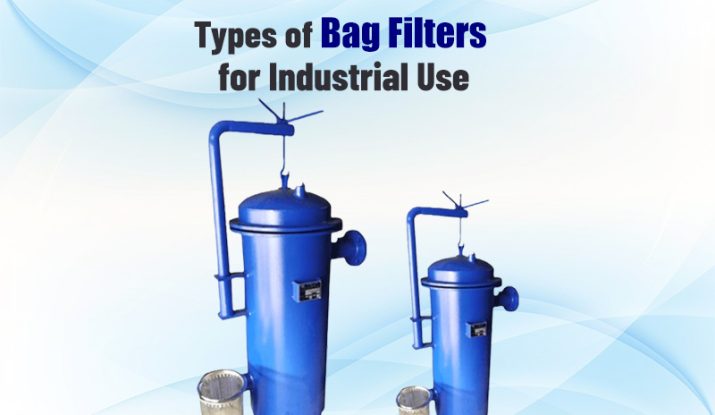
In many industries, controlling dust and air pollution is a strict requirement these days. It’s important for keeping workers safe and making sure the factory follows environmental rules. Whether you are running a food processing plant, a chemical lab, or a metal workshop, dust and dirt are your biggest enemies. This is where the Bag Filter comes in to save the day. These systems are popular because they are efficient and can catch dust particles that are so tiny you can’t even see them with your eyes. Read the below post to learn more about these filtration systems and different bag filter types used in industries today.
What is a Bag Filter?
A bag filtration system is an air pollution control device used to catch dust and solid particles from industrial exhaust air or gases. It works by passing dirty air through fabric filter bags. These bags act like a sieve, they trap the dust on the fabric and let the clean air pass through to the other side. You’ll find these filters in industries, like cement plants, power stations, food processing factories, and chemical units.
Popular Bag Filter Types
Choosing the right filter depends on what you are trying to catch and how much heat or chemical pressure the filter needs to survive. Here are the main types:
Pulse-Jet Bag Filters
This is probably the most common type used in factories today. In this system, the dust collects on the outside of the bag. Every few minutes, a blast of compressed air (a pulse) is sent through the bag. This shakes the dust off, and it falls into a hopper below. It’s great because the machine doesn’t have to stop while it cleans itself.
Shaker Bag Filters
These are exactly what they sound like. The bags are fixed at the top and bottom, and a mechanical motor literally shakes the bag to get the dust off. Usually, the machine has to be turned off for a moment while the shaking happens, so these are better for smaller workshops where the work isn’t running 24/7.
Reverse-Air Bag Filters
In this type, the dust is collected on the inside of the bags. To clean them, the dirty air is stopped, and clean air is blown in the opposite direction. This causes the bags to collapse slightly, which makes the dust fall off. These are used in very large industries like cement plants.
High-Temperature Bag Filters
If your factory involves furnaces or hot gases, a standard plastic or cotton bag will melt. For these jobs, bags are made from materials like Nomex or Fiberglass. They can handle extreme heat without catching fire or losing their shape.
Liquid Filter Bags
Not all filters are for air! Many industries need to filter water, oils, or chemicals. These bags are usually made of felt or mesh. They act like a giant tea strainer that catches solid bits and lets the clean liquid pass through.
Simple Tips for Choosing Your Bag Filter
When you are choosing from several bag filter types, keep these simple points in mind:
- Temperature: How hot is the air or liquid? You’ll need a special heat-resistant material so the bag doesn’t melt or catch fire.
- Particle Size: Are you catching big wood chips or tiny chemical dust?
- Chemical Resistance: Some chemicals are very harsh. You need to make sure the filter material is tough enough to handle them without falling apart.
- Moisture: Is the air damp? Wet dust can clog a bag very quickly. For damp areas, you’ll need a bag that can handle moisture without getting stuck.
Conclusion
At the end of the day, a bag filter is only as good as the company that makes it. You want something that lasts and doesn’t leak. This is where GTS Filters and Systems stand out. We are one of the leading manufacturers and suppliers of industrial filtration systems. You can get standard and customized filters according to your requirements. Explore our product section to learn more about our filtration systems.